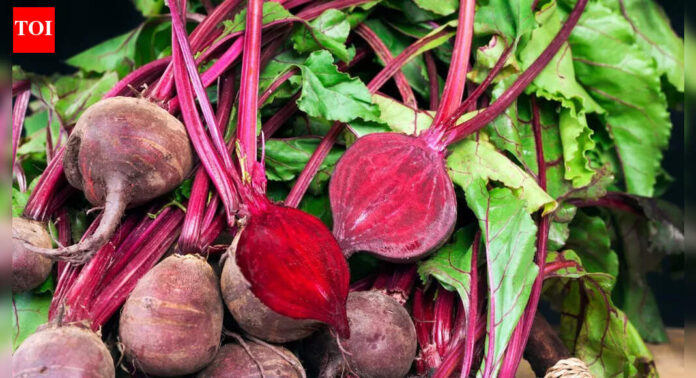
Many people are startled to notice their urine turning red or pink after eating beetroot. This harmless change, known as beeturia, occurs when the body fails to break down betanin, the natural pigment in beets fully. While beeturia is usually nothing to worry about, it can occasionally signal underlying issues such as iron deficiency or low stomach acid, both of which affect how pigments are absorbed and processed. Recognising the symptoms, understanding the possible causes, and knowing when to seek medical advice can help you determine whether the colour change is simply a dietary effect or a sign of something more. Proper diagnosis ensures peace of mind and helps rule out more serious conditions like blood in the urine.
Understanding beeturia and its common symptoms
Beeturia is a condition in which urine changes colour to red or pink following the consumption of beets or beet-containing products. The condition is caused by betanin, the red pigment in beets. Normally, the digestive system breaks down this pigment. However, in some individuals, the body does not fully metabolise betanin, allowing it to pass through the kidneys and into urine.
This condition is more common than many realise, affecting approximately 14 percent of the population. The intensity of the urine colour varies depending on the type of beet consumed, its preparation method, and the individual’s metabolism.As per the study published in PubMed Central, titled “Beeturia and the biological fate of beetroot pigments,” used HPLC to detect beet pigments (betacyanins such as betanin) in urine. It found that about 10-14% of people excrete detectable beet pigments within hours of ingesting beetroo,t consistent with the commonly cited prevalence.
Symptoms of Beeturia
The main symptom of beeturia is discoloured urine, ranging from light pink to deep red. In some cases, stools may also appear reddish, especially after consuming large amounts of beetroot.The colour can vary according to the form in which beetroot is consumed. Raw beet juice often produces a darker, more intense red, while cooked beets tend to result in a softer pink or red hue.If the condition is related to an underlying health issue such as iron deficiency or low stomach acid, other symptoms may appear. These can include fatigue, hair thinning, shortness of breath, leg cramps, bloating, gas, and mood changes.
Causes of beeturia
The most common cause of beeturia is the natural pigment betanin. When this pigment is not fully broken down in the body, it passes through the digestive system and is excreted in the urine.
Iron deficiency
Beeturia may sometimes be a sign of iron deficiency or iron deficiency anaemia. This occurs when the body lacks sufficient healthy red blood cells to transport oxygen efficiently. Studies indicate that 66–80 percent of individuals with untreated iron deficiency anaemia experience beeturia.According to the study published in JAMA Pediatrics, a sign of Iron Deficiency reported that beeturia often appears more frequently among individuals with iron-deficiency, suggesting a link between beeturia and impaired iron or nutrient absorption.
Beeturia treatment and management tips
For most people, beeturia does not require treatment. However, if an underlying condition such as iron deficiency or low stomach acid is present, treating the root cause is important.
Managing iron deficiency
Iron deficiency can be addressed with dietary changes, iron supplementation, or medical interventions. If internal bleeding is suspected, procedures such as endoscopy, colonoscopy, or ultrasound may be required. Medications or surgery may be needed in cases of ulcers, heavy menstrual bleeding, or other sources of blood loss.
Addressing low stomach acid
Low stomach acid can sometimes be managed by adjusting medications like proton pump inhibitors or H2 blockers, or through the use of digestive enzymes such as Betaine HCL with pepsin to increase acid levels.Even in the absence of underlying health problems, drinking more water can help flush the betanin pigment from the body, reducing the intensity and duration of red or pink urine.